When the Arizona temperatures start climbing up into the triple digits, your air conditioner becomes a necessity. When it is time to replace or upgrade your HVAC system, one question often comes up: What does a SEER rating actually mean? Understanding this rating helps you choose a system that keeps your home comfortable while managing energy use and costs more effectively.
Understanding the SEER Rating
SEER stands for Seasonal Energy Efficiency Ratio. It is a measure of how efficiently your air conditioner or heat pump converts electricity into cooling power. The higher the SEER number, the more efficient your system operates.
To put it simply, SEER works like the miles-per-gallon rating for your car. If two vehicles both get you where you need to go, the one with higher MPG uses less fuel. Similarly, an HVAC unit with a higher SEER rating cools your home using less energy. For Arizona homeowners, where air conditioning runs for much of the year, that efficiency directly affects your energy bills.
The U.S. Department of Energy sets minimum SEER requirements for new systems. In the Southwest region, which includes Arizona, the minimum SEER for central air conditioners is currently 15. That standard ensures newer systems deliver a baseline level of efficiency suited for the state’s extreme heat.
Why SEER Rating Matters in Arizona
In a milder climate, a small difference in SEER may not matter much. But in Arizona, the stakes rise because your system often runs for months without much rest. When your air conditioner operates that frequently, even minor improvements in efficiency can lead to major savings over time.
A unit with a SEER 20 rating may cost more upfront than one with a SEER 15 rating, but it uses considerably less energy. Over the life of the system, those savings often offset the higher purchase price. Beyond cost, high-efficiency systems typically perform better under strain, which means they keep your home comfortable without constantly cycling on and off. That will extend the lifespan of your system while reducing wear on internal components.
What SEER Rating Should You Look For?
Choosing the right SEER rating depends on several factors, including your budget and your home size. In Arizona, you should not really consider anything below SEER 15. Most find that systems rated between SEER 16 and SEER 20 strike the best balance between cost and performance.
If you live in an older home with limited insulation, a higher SEER system can help compensate for energy loss through your walls or attic. Homes with modern insulation, efficient windows, and well-sealed ductwork may not need the highest SEER rating to achieve excellent comfort and savings.
Keep in mind that SEER ratings measure maximum potential efficiency under ideal conditions. If your ducts leak or your system isn’t sized correctly, even a high-SEER unit can underperform. That’s why a professional installation makes such a difference. An experienced HVAC technician can evaluate your home’s unique needs and recommend the SEER range that gives you the most value.
Comparing SEER Ratings Across System Types
Not all cooling systems carry the same efficiency potential. Central air conditioners, heat pumps, and ductless mini-splits each have different design advantages that affect their SEER ratings.
Traditional central air conditioners remain the most common choice for Arizona homes. These systems use ducts to distribute conditioned air throughout the house. Modern models generally range between SEER 15 and SEER 20, although some premium systems exceed SEER 22. Central systems work well in larger homes with existing ductwork in good condition.
Heat pumps function as both an air conditioner and a heater, which makes them ideal for areas with mild winters like much of Arizona. Instead of generating heat through combustion, a heat pump transfers heat between indoors and outdoors depending on the season. Many high-efficiency heat pumps reach SEER ratings in the upper teens to mid-twenties, providing excellent year-round performance.
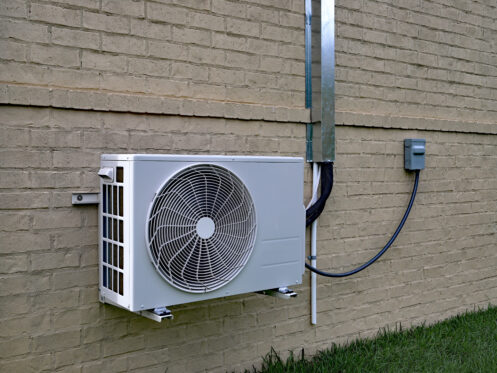
Ductless mini-split systems take efficiency even further. These systems don’t rely on ducts, which eliminates energy loss from leaks or poor insulation. Each indoor unit cools or heats a specific zone in your home, allowing you to control temperatures independently. Top-tier ductless systems often reach SEER ratings above 25, with some models approaching 30. For homeowners looking to maximize comfort while minimizing energy use, ductless systems set the standard for efficiency.
How SEER Connects to Real Energy Savings
Higher SEER ratings deliver measurable savings because the system needs less power to produce the same amount of cooling. For example, upgrading from a SEER 14 system to a SEER 18 model can reduce energy use by roughly 20% to 25%. Over the lifespan of your HVAC system, that can translate to thousands of dollars in utility savings.
Arizona’s long cooling season amplifies these savings. When your air conditioner runs nearly year-round, efficiency improvements quickly add up. In addition to lowering your utility bills, higher efficiency systems can reduce your environmental impact by using less electricity generated from fossil fuels.
The Role of Heat Pumps and Hybrid Systems
Heat pumps continue to grow in popularity across Arizona because they offer both cooling and heating in one system. During summer, your heat pump moves heat from inside your home to the outside, like an air conditioner. In the winter, it reverses the process, drawing warmth from outdoor air and bringing it inside. Because it transfers heat rather than producing it through combustion, a heat pump uses less energy overall.
Modern heat pumps maintain strong performance even when temperatures drop, especially when paired with a supplemental electric or gas furnace in a hybrid setup. When choosing a heat pump, you will see two efficiency ratings: SEER for cooling and HSPF (Heating Seasonal Performance Factor) for heating. Both numbers help you understand how efficiently the unit performs year-round.
Ductless Mini-Splits: High Efficiency and Flexibility
If your home is lacking ductwork or you want to add comfort to your space, ductless mini-split systems offer an efficient option. Indoor unit connects to an outdoor compressor, allowing you to heat or cool each room individually. This design eliminates the need for ducts, which can waste up to 30 percent of conditioned air in a traditional system.
Since they deliver conditioned air directly where it’s needed, ductless systems operate more efficiently and provide better temperature control. They are a great choice for additions, garages, or older homes that can’t accommodate ductwork. The inverter technology in a ductless system helps you to keep temperatures more consistent without wasting energy.
Considering Long-Term Value
While a higher SEER rating can increase the initial cost of your system, it delivers a better long-term value. Energy savings accumulate, and many utility companies in Arizona provide rebates or incentives for installing high-efficiency units. You will also benefit from fewer service calls and a longer system lifespan, which can offset the upfront investment.
Before upgrading, it’s worth reviewing your home’s electrical system as well. High-efficiency units require a panel upgrade to handle the electrical load safely. We will assess your setup and recommend whether your panel needs any improvements before installation.
Building a More Sustainable Future
As an Arizona homeowner, you can make meaningful energy decisions. Since cooling accounts for such a large portion of household electricity use, a high-efficiency system will support a more sustainable lifestyle. In a state where your air conditioner never rests, that choice matters. At Cool Zone Air Conditioning & Heating, we’ve been serving the Phoenix Metro area since 2006, building our customers’ trust along the way by providing outstanding HVAC installation, maintenance, and repair services. Contact us today to schedule a consult with our team.