Some areas of your home seem to trap heat no matter how cool the rest of the house feels. Garages turn into ovens during the afternoon, bonus rooms above the house stay hot, and sunrooms heat up from sunlight flooding in. These spaces were often designed with different airflow and insulation conditions than the main living areas. That makes them harder to regulate with standard cooling systems.
Why Some Rooms Heat Up Faster Than the Rest of the House
Certain areas in a home collect and retain heat more than others. Garages, sunrooms, and bonus rooms often sit on the periphery of the house. They may receive direct sunlight for long stretches of the day. Walls and windows in these areas absorb heat and transfer it indoors. When insulation or airflow is limited, as is common for garages, that heat has nowhere to escape.
Sunrooms gather even more heat because of the large window areas designed to let in natural light. Glass allows sunlight to pass through easily and build up inside the room. Without additional cooling strategies, these rooms can reach uncomfortable temperature levels during long summer days.
Garages That Trap Heat Throughout the Day
Garages often become the hottest part of the house because they were never designed to hold stable indoor conditions. Many garages have minimal or no insulation and large doors that face direct sunlight. Metal tools, vehicles, and stored items absorb heat and slowly release it back into the room even after the sun begins to set. If the garage shares walls with the home, this heat can spread into nearby rooms. A bedroom next to the garage may feel warmer at night because the wall between them has stored heat during the day. The garage itself may remain hot well into the night since warm air can’t escape easily.
Improving conditions in a garage usually begins with airflow. Ceiling-mounted fans or wall fans can help move warm air out while drawing cooler air inside. Insulating the garage door and exterior walls can also reduce the amount of heat that enters in the first place. If you want to use the garage as a work or living space, consider installing a ductless system.
Bonus Rooms Above the House Present Unique Challenges
Bonus rooms built above living spaces are appealing because they offer extra square footage without expanding the footprint of the house. The downside is that they tend to sit closer to the roofline, where heat collects. Sunlight warms the roof surface for hours during the day, and that heat transfers downward through the attic space. The ductwork from the main HVAC system may have to run a long distance to reach the room. This can result in weak airflow to the bonus room, so the room stays hot.
Improving comfort often requires better airflow and dedicated cooling support. Ceiling fans can help distribute conditioned air that already reaches the room. Zoned cooling, either from adding automatic dampers in the ducts or a mini-split system, can make a dramatic difference. Additionally, attic insulation above the space can slow heat transfer from the roof. When these improvements work together, the room begins to hold a more stable temperature that aligns with the rest of the house.
Sunrooms Capture Light and Heat
Sunrooms are designed to invite natural light into the home, yet that same design allows sunlight to overheat the room quickly. Large windows allow solar energy to pass through and warm interior surfaces. Floors, furniture, and walls absorb that heat. During cooler seasons, this effect can feel pleasant. During the summer months, it can create a space that becomes uncomfortable by early afternoon.
Managing conditions in a sunroom often requires both shading and cooling support. Window treatments or window upgrades can limit the amount of heat that enters the room. Ceiling fans help circulate air so that heat doesn’t gather in one area. In many homes, adding zoning to your cooling system provides the most consistent results.
How Better Insulation Can Reduce Heat Transfer
Insulation often receives less attention in rooms that sit outside the main living space. Garages, bonus rooms, and sunrooms may have thinner wall insulation or limited protection in the ceiling. When insulation is weak, outside heat moves indoors more easily.
Improving insulation changes how quickly the room warms during the day. Walls with stronger insulation slow the movement of heat from outside surfaces into the interior air. Attic insulation above bonus rooms can reduce the amount of heat that moves from the roof into the room below.
Air Circulation Improves Comfort Quickly
Air circulation can make a noticeable difference in rooms that feel stagnant or warm. Ceiling fans move air across the skin, creating a cooling sensation even when the thermostat setting remains the same. This simple change can make a warm room feel more comfortable while reducing strain on cooling equipment. In garages and bonus rooms, wall-mounted fans can push warm air toward open doors or ventilation openings. Moving air also prevents heat pockets from forming near ceilings, where warm air naturally gathers. When air circulates continuously, the room feels less heavy and easier to use.
Fans alone won’t solve severe heat buildup, yet they often improve comfort when paired with insulation and dedicated cooling equipment. They provide an affordable way to evenly distribute cooled air across rooms, helping the system work more efficiently.
Mini-split Systems Offer Targeted Cooling
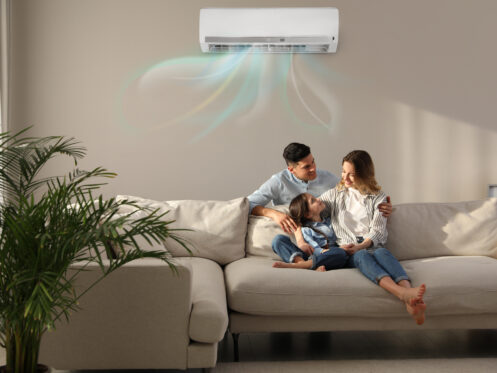
Ductless mini-split systems provide focused cooling for rooms that struggle to stay comfortable. These systems operate independently of the central HVAC system. One or more indoor air handlers deliver cooled air directly into a particular area. Multiple air handlers can connect to a single outdoor unit. Many ductless systems use heat pump technology, so they also deliver heating when needed.
This design allows you to cool difficult areas without freezing the rest of the home and driving up utility bills. Home additions, converted garages and attics, bonus rooms, and sunrooms often benefit from this setup. A mini-split system can adjust its output based on the conditions in that specific room. Energy use often stays lower than people expect because the system only conditions the area that needs it.
Bringing Comfort Back to Difficult Spaces
With the right equipment, garages, bonus rooms, and sunrooms can maintain steady indoor conditions that match the rest of the house. At Cool Zone Air Conditioning & Heating, we help homeowners address challenging cooling issues through HVAC system evaluations, ductwork improvements, zoning adjustments, and ductless mini-splits. We can handle all your cooling needs, including AC installation, maintenance, and repair. Schedule a consultation with Cool Zone Air Conditioning & Heating in Peoria to make every room in your home comfortable.